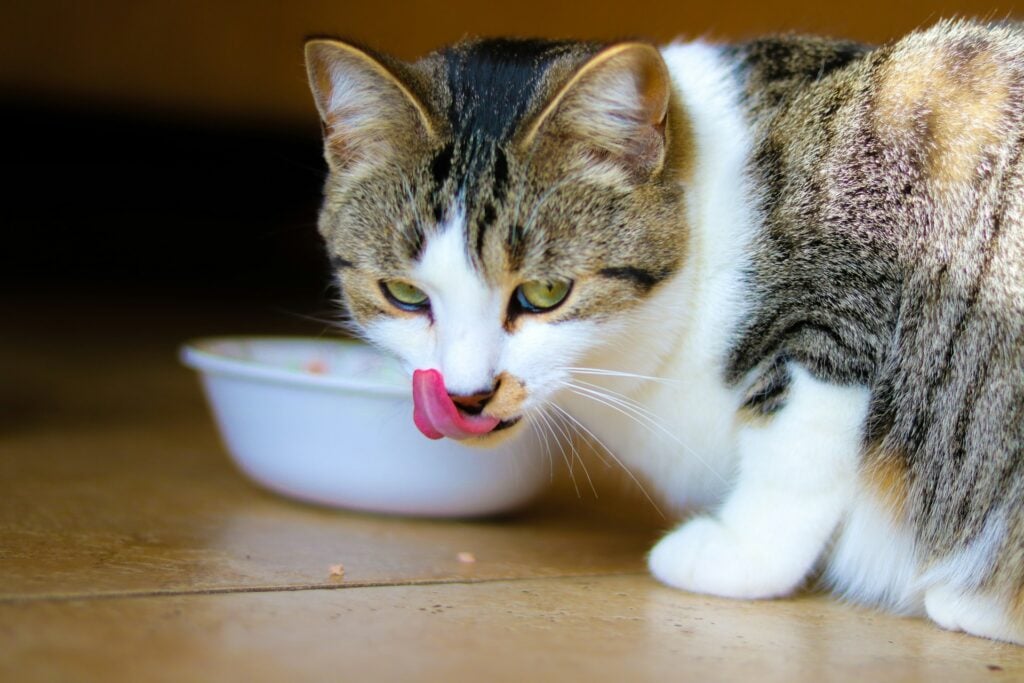
Feeding Fluffy: Nutrition Tips for Adult Cats
Learn how to support your Durham, NC cat’s long-term health with balanced nutrition and smart…

At Bull City Veterinary Hospital in Durham NC, we get it—vaccines can get confusing. What’s truly necessary? What’s optional? Do indoor cats even need shots? Pet parents ask these questions all the time, and we love helping you get clear answers. Whether you’re raising a brand-new puppy or keeping your senior kitty protected, staying up to date on pet vaccines is one of the easiest ways to protect your pet (and the rest of the family) from dangerous diseases such as rabies.
Vaccines prevent serious diseases before they ever happen. In this blog, we’ll break down the core vaccines for dogs and cats, explain the vaccine schedule for puppies and kittens, and clarify why pet vaccines matter at every life stage.
Vaccines work by stimulating your pet’s immune system to recognize and defend itself against specific viruses or bacteria. They’re a cornerstone of preventive care—protecting not just your pet, but other animals (and in some cases, people) from contagious illness.
Vaccinations:
Skipping vaccines puts your pet—and others—at risk. Rabies is a perfect example of this. Though it’s been drastically reduced by vaccines, it remains the deadliest disease on the planet, with a whopping 99 percent mortality rate when symptoms start. Even worse: there is no cure. You can learn more about pet vaccinations from the American Veterinary Medical Association here.
These are considered essential for all pets, regardless of lifestyle.
Dogs:
Cats:
Recommended based on individual risk factors.
Dogs:
Cats:
Our veterinarians will work with you to decide what’s best based on your pet’s lifestyle.
Young animals are especially vulnerable. They receive some immunity from their mother, but that fades fast. Timely vaccination is crucial. Puppies and kittens must complete the full series to build proper immunity. Your little buddy won’t be safe until they’ve finished their boosters and your vet gives the all-clear.
If your pet has already been through the initial series, your vet will recommend booster shots on a regular schedule. Some are annual, others are every three years, depending on various factors.
These include:
Senior pets still need vaccines, but we may space them out or focus on essentials if their health is fragile.
Missed a shot? It’s not the end of the world—but it may mean restarting the series, especially for core vaccines in puppies or kittens. For adult pets, skipping boosters increases the risk of infection and may void boarding or daycare eligibility.
Let us know if you’re behind. We’ll help build a safe, effective catch-up plan.
Vaccines are very safe for most pets. Minor side effects may include:
Severe allergic reactions are rare but not unheard of. If your pet experiences major side effects, such as swelling, vomiting, fever, or collapse, call us immediately.
We hear it a lot: “My cat never goes outside—why vaccinate?” Even indoor cats can be exposed to airborne viruses, via insects, wildlife, or through open windows. Some viruses can be tracked in on your shoes or clothes. Fluffy still needs her vaccinations. You can read our prior blog on indoor cat care here.
Indoor cats benefit from core vaccines just as much as outdoor ones.
Rabies is legally required in most states. Other vaccines may be required by boarding, grooming, or daycare facilities.
Mild side effects are possible but rare. The risks of disease far outweigh the risks of vaccination. The ASPCA also has some helpful information on vaccines here.
Pricing varies depending on the vaccine, brand, and schedule. We’re happy to provide a custom quote and wellness plan.
At Bull City Veterinary Hospital in Durham NC, we believe in protecting pets before they get sick. That’s why we make pet vaccines simple, safe, and personalized. Whether you’re just starting your vaccine schedule for puppies and kittens or reviewing your senior pet’s plan, we’ll guide you every step of the way. Visit our Services page here for more information on our veterinary clinic and services.
Call today to schedule your pet’s next vaccine appointment and protect their health for years to come.
This blog is intended for informational purposes only. Always consult your veterinarian for personalized vaccine recommendations.
Learn how to support your Durham, NC cat’s long-term health with balanced nutrition and smart…

At Bull City Veterinary Hospital in Durham NC, we believe age should never be a…
Create a fresh, fur-friendly space with safe products and cleaning practices that protect your pets….
!Social Icons