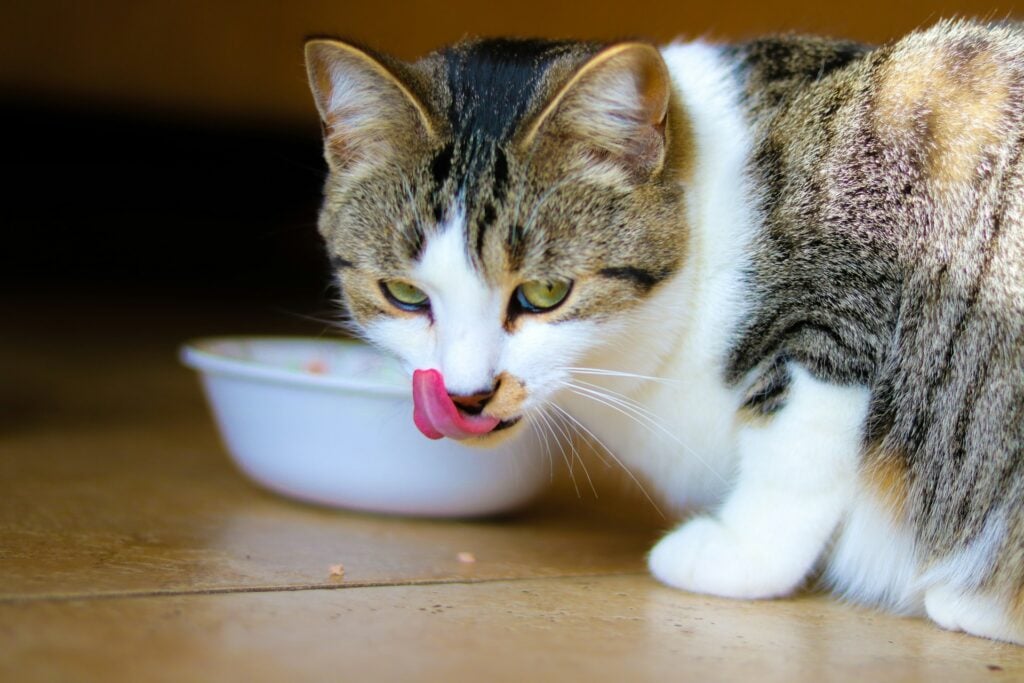
Feeding Fluffy: Nutrition Tips for Adult Cats
Learn how to support your Durham, NC cat’s long-term health with balanced nutrition and smart…

At Bull City Veterinary Hospital in Durham NC, we believe age should never be a barrier to joy. Just like people, dogs benefit from staying active as they grow older. Whether your pup is a spry 8-year-old Labrador or a mellow 12-year-old terrier mix, senior dog fitness is key to maintaining mobility, weight, heart health, and mental well-being. Our team of compassionate veterinarians is here to help you keep your older canine companion thriving—safely and comfortably.
Generally, dogs enter their senior years around 7–8 years old, though this varies based on breed and size. Large breeds may be considered senior by 6, while smaller dogs may not show signs of aging until 9 or 10. Regardless of age, many senior dogs still enjoy regular activity—as long as it’s tailored to their individual needs.
Fun Fact: Dogs who remain active throughout their lives have a lower risk of developing arthritis, obesity, and cognitive decline. Fitness isn’t just about exercise—it’s a lifestyle that protects long-term health.
Just because your pup has a few gray hairs doesn’t mean he’s ready for the sidelines. Consistent, low-impact activity supports:
Older dogs that stop moving entirely tend to lose muscle mass and mobility quickly. The goal isn’t intensity—it’s consistency. The American Medical Veterinary Association is also a great resource for senior pet care. Click here to learn more.
Always check with your veterinarian before starting or changing an exercise routine. That said, most senior dogs can benefit from the following safe and effective activities:
Walking is one of the best exercises for older dogs. Keep walks short and steady:
Start with 10–15 minutes and gradually increase based on tolerance.
Swimming provides full-body exercise without joint stress. It’s especially beneficial for dogs with arthritis or hip dysplasia:
Modified games of fetch or tug can be great for maintaining movement and bonding:
Balance discs, wobble boards, and low agility poles can be used under supervision to challenge coordination and build strength. These are best used under guidance from a trained professional or during rehab sessions.
Cognitive health is just as important as physical movement. Engaging your dog’s brain can slow cognitive dysfunction and reduce anxiety.
Keeping senior dogs active mentally helps maintain routine and reduces confusion or clinginess often associated with aging. You can read more about doggy fitness at the AKC website here.
If your dog is slowing down, limping, or hesitating to move, don’t assume it’s just old age. Many mobility issues are manageable with proper care. At Bull City Veterinary Hospital, we can evaluate your dog and recommend options like:
You can also make home adjustments to support mobility:
Most senior dogs benefit from 30 minutes of low-impact activity each day, split into shorter sessions. However, this varies depending on breed, health, and fitness level. Breed also comes into play here. The AKC also has a lot of great breed-specific information on their site here.
Gentle movement is still essential. Walking, swimming, and rehab therapies can help. We’ll work with you to create a customized plan.
Absolutely! Training provides mental stimulation and strengthens your bond. Just keep sessions short, upbeat, and low-pressure.
Yes—but don’t confuse rest with inactivity. Strategic movement helps keep his muscles strong, joints limber, and mind alert. Click here to read our other blog post on senior dog care.
At Bull City Veterinary Hospital in Durham NC, we understand the unique needs of older pets. Whether you’re exploring exercises for senior dogs, looking for help keeping your senior dog active, or want professional mobility support for older dogs, our expert veterinarians are ready to help. We believe fitness is a form of love—and your senior pup deserves all the support to move comfortably through his golden years. Call us anytime!
This blog is for informational purposes only. Please consult your veterinarian before beginning any new fitness program for your pet.
Learn how to support your Durham, NC cat’s long-term health with balanced nutrition and smart…

At Bull City Veterinary Hospital in Durham NC, we believe age should never be a…

Create a fresh, fur-friendly space with safe products and cleaning practices that protect your pets….
!Social Icons