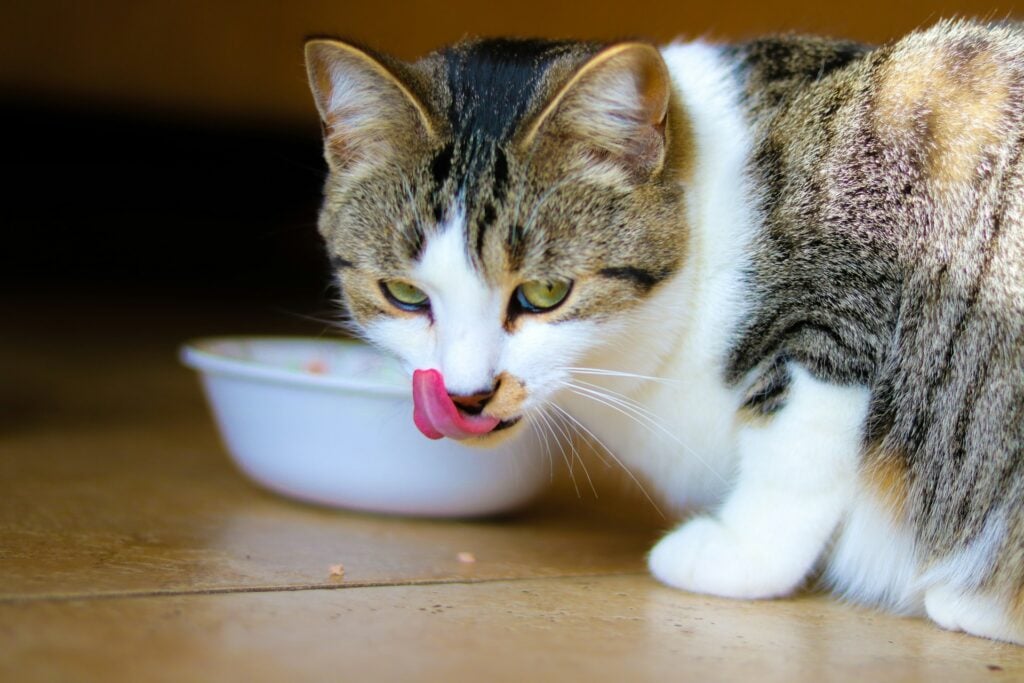
Feeding Fluffy: Nutrition Tips for Adult Cats
Learn how to support your Durham, NC cat’s long-term health with balanced nutrition and smart…

As dogs age, their metabolism slows down, their joints may stiffen, and once effortless activities become more difficult. At Bull City Veterinary Hospital in Durham NC, we believe that every dog deserves to age with comfort and dignity. Whether your senior pup is showing signs of stiffness or struggling with extra pounds, our team is here to support you with compassionate, expert care. With the right approach to senior dog weight management and pain control, you can make a real difference in your canine companion’s everyday happiness.
A Durham, NC vet weighs in on senior dog care in this article.
As dogs age, they lose muscle mass and gain fat more easily—even if their diet hasn’t changed. This can lead to weight-related health issues including:
Extra weight puts stress on already aging joints and organs, creating a cycle of inflammation, inactivity, and more weight gain. That’s why managing your senior dog’s weight is one of the most important things you can do to improve his overall quality of life.
Helping your older dog lose weight requires a gentle, strategic approach. Crash diets or intense exercise aren’t safe for aging bodies. Instead, focus on steady, manageable changes:
Weight gain or difficulty losing weight may signal underlying issues such as hypothyroidism or Cushing’s disease. We’ll run diagnostics, assess body condition, and create a plan tailored to your pup’s needs.
Pro Tip: Use a measuring cup—not a scoop—to ensure accurate portions. PetMD has a helpful piece about feeding a senior dog, which you can read here.
Low-impact movement helps burn calories and build muscle without stressing joints:
Even standing more often or climbing small ramps can help reengage muscles. Just take care not to overdo it.
Keep a written or app-based log of your dog’s weight, measurements, and energy levels. We’ll use this data to tweak the plan as needed during regular check-ins.
Weight and pain often go hand in hand. Many overweight senior dogs also suffer from arthritis, degenerative joint disease, or spinal issues that make movement painful. The good news? You have many options for relief. If you spot any signs of pain, take Fido to the vet right away. You can also check out our prior blog on signs of pain in pets here.
We offer several safe, effective tools for pain control in older dogs. These may include medication, therapy, supplements, and other options. We’ll guide you through options that best match your pup’s age, medical history, and activity level.
Support your dog’s comfort with a few simple home changes:
Regular massage, warm compresses, or light range-of-motion exercises may also improve flexibility and reduce tension.
Dogs hide pain well, especially as they age. Look for subtle signs such as:
If you notice any of these changes, schedule an exam. The sooner we identify the cause, the faster we can bring your dog some relief.
Learn more about recognizing signs of pain in dogs at the Cornell University College of Veterinary Medicine website here.
We recommend weighing monthly during weight loss or pain treatment phases. If changes are occurring quickly, every 2–3 weeks is ideal.
It’s common—but not healthy. Slow metabolism and reduced movement play a role, but we can intervene to prevent complications.
No, but swap high-calorie snacks for healthy, low-fat alternatives. Also use affection and play as rewards.
Most dogs begin showing improved mobility and mood within 4–6 weeks of a combined weight and pain plan.
At Bull City Veterinary Hospital in Durham NC, we understand that your dog’s golden years should be comfortable and full of life. Our team offers individualized senior dog weight management and pain relief plans to help your canine friend age with strength, mobility, and dignity.
Schedule a wellness consultation today and let’s help your pup move better, feel better, and live better—one gentle step at a time. You can learn more about our Durham NC animal hospital and the pets we see at our Service page here.
This blog is for informational purposes only. Always consult your veterinarian before changing your pet’s diet or medication regimen.
Learn how to support your Durham, NC cat’s long-term health with balanced nutrition and smart…

At Bull City Veterinary Hospital in Durham NC, we believe age should never be a…

Create a fresh, fur-friendly space with safe products and cleaning practices that protect your pets….
!Social Icons