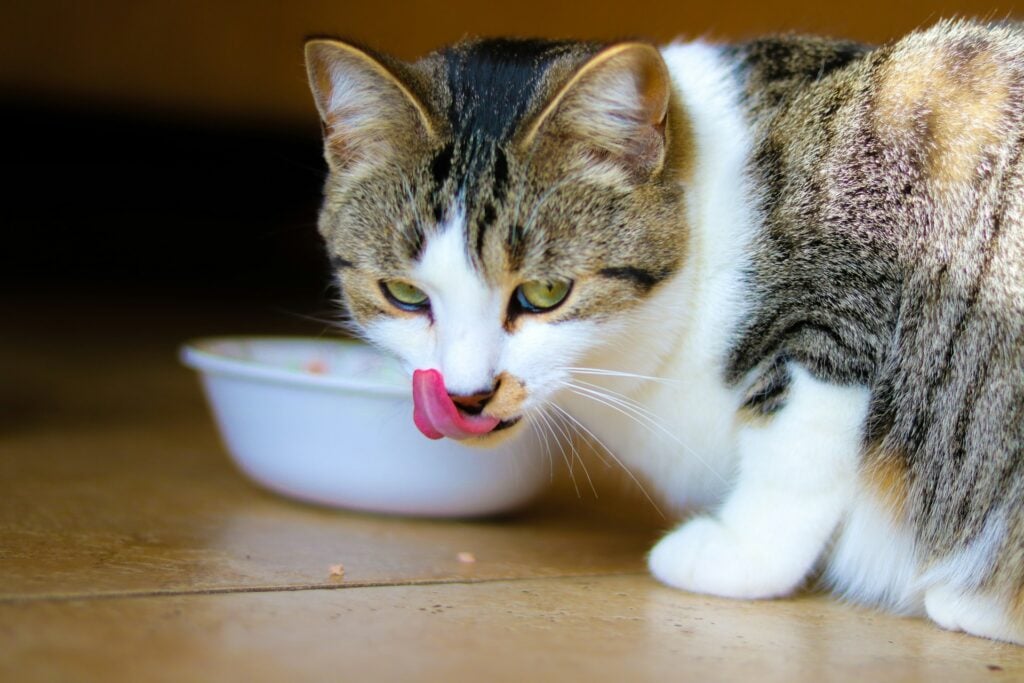
Feeding Fluffy: Nutrition Tips for Adult Cats
Learn how to support your Durham, NC cat’s long-term health with balanced nutrition and smart…

At Bull City Veterinary Hospital in Central Durham, we believe that oral health is essential to overall wellness. Unfortunately, many pet parents don’t realize that dog dental issues are among the most common—and preventable—health problems seen in veterinary practice. From tartar and gingivitis to painful infections and tooth loss, ignoring dental care can lead to bigger health problems for your canine companion.
In this guide from a Central Durham vet, we’ll walk you through the most common dental problems in dogs, what causes them, and how we help prevent or treat them.
Dental disease doesn’t just cause bad breath—it can lead to:
By age three, most dogs already show signs of dental disease. But with routine exams, cleanings, and home care, you can protect your pup from pain and long-term health issues. More information regarding canine dental problems is available on the PetMD website here.
The most widespread dental issue in dogs, periodontal disease is an infection of the tissues around the teeth. It starts with plaque and progresses through four stages if left untreated:
Signs include bad breath, red or bleeding gums, and reluctance to chew. If untreated, it becomes irreversible and painful.
Plaque is a sticky film that forms on teeth and hardens into tartar. Tartar traps bacteria and accelerates gum disease. It can’t be removed by brushing alone once hardened—only a professional cleaning can eliminate it.
These types of dog tooth infections form when bacteria invade the root of a tooth. Abscesses are extremely painful and can cause swelling under the eye or along the jawline. Dogs may paw at their face, refuse to eat, or drool excessively. These are also quite dangerous: any infection of the mouth is a serious matter, due to its proximity to the brain.
Chewing on hard bones, rocks, or toys can crack or break teeth. This exposes the pulp and nerves, leading to pain and potential infection.
Small breeds especially are prone to retaining deciduous (baby) teeth. This crowds the adult teeth, traps food, and increases the risk of periodontal disease. Extraction is often needed.
While less common, dogs can develop benign or cancerous growths in their mouths. Signs include abnormal bleeding, foul breath, facial swelling, or difficulty eating.
Dental pain can dramatically impact a dog’s quality of life—even if he’s still eating. Dogs rarely show obvious signs of pain until things are quite advanced, so symptoms may be subtle until disease is advanced. For additional information on identifying pain signals in pets, check the Four Paws International article here.
Left untreated, dog dental issues can lead to:
Regular dental care isn’t just cosmetic—it’s a core part of preventive medicine.
We offer a full range of dental services to keep your dog’s smile healthy:
Our team uses safe anesthesia protocols, continuous monitoring, and pain management for every dental procedure. We treat your pup like one of our own.
Yes! Daily brushing, dental chews, and water additives help slow plaque buildup. But they don’t replace regular veterinary cleanings.
It’s worth noting that Fido’s diet and toys also come into play. Proper chew toys can definitely help here. Read our blog on picking the perfect toys for your canine pal here.
Use a soft-bristled toothbrush and dog-specific toothpaste (never human toothpaste). Start slowly and reward progress. Ask your vet for tips.
Yes. Small breeds like Chihuahuas, Yorkies, and Dachshunds often need more frequent dental care due to crowded mouths. They don’t have much room for all those teeth!
At Bull City Veterinary Hospital in Central Durham, we’re here to help protect your dog from the pain and complications of common dental problems in dogs. Our experienced veterinarians take a proactive, gentle approach to dental care at every life stage. Contact us anytime!
This blog is for informational purposes only. Please consult your veterinarian for personalized dental care and treatment options.
Learn how to support your Durham, NC cat’s long-term health with balanced nutrition and smart…

At Bull City Veterinary Hospital in Durham NC, we believe age should never be a…

Create a fresh, fur-friendly space with safe products and cleaning practices that protect your pets….
!Social Icons