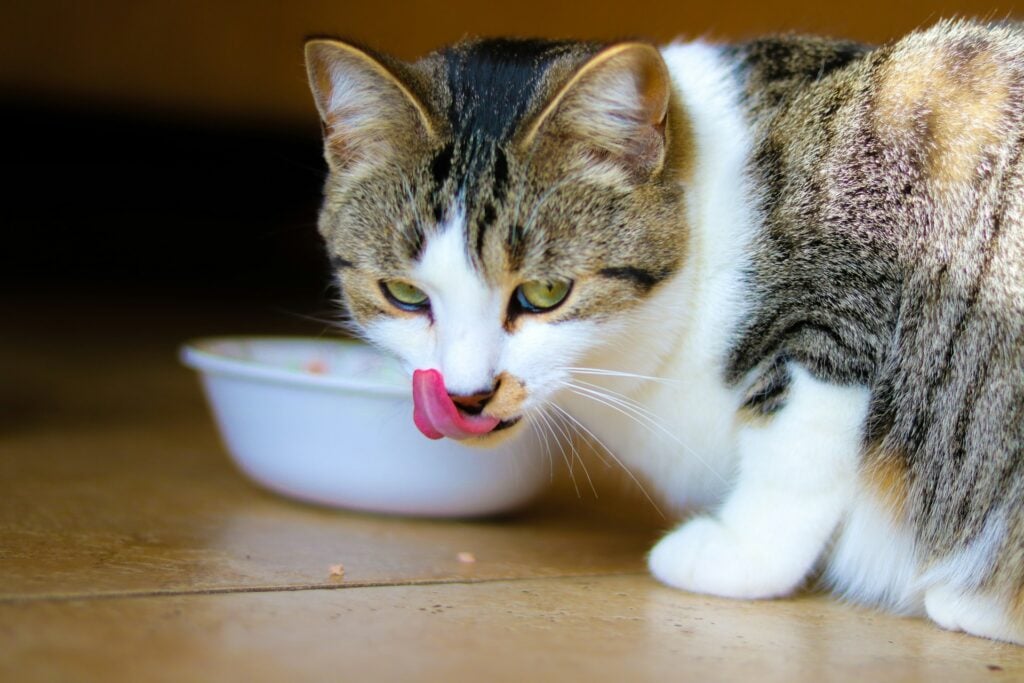
Feeding Fluffy: Nutrition Tips for Adult Cats
Learn how to support your Durham, NC cat’s long-term health with balanced nutrition and smart…

Adopting a cat is one of the most rewarding decisions you can make. But for your new feline companion, it’s a big adjustment. Whether she’s coming from a shelter, rescue group, or foster home, the first few days and weeks are critical to her long-term happiness and trust. At Bull City Veterinary Hospital in Durham, NC, we’re here to support you in helping an adopted cat settle in, with practical steps, expert advice, and compassionate care.
This guide offers a full breakdown of how to help a rescue cat adjust, what to expect emotionally and medically, and how to build a healthy, lasting bond from day one.
Cats are naturally territorial animals. When introduced to a brand-new space, they often feel overwhelmed, vulnerable, or stressed. Even confident kitties may spend the first few days hiding or showing little interest in interaction. That’s normal.
Some adopted cats have had traumatic experiences, multiple homes, or medical issues. Others may have never lived indoors before. Give them time—and use the following strategies to help them feel safe.
Start with a quiet, contained room like a bathroom, guest room, or large walk-in closet. This allows your new cat to adjust gradually to sights, sounds, and smells without feeling overwhelmed.
Include:
Let Fluffy explore this space on her own terms for the first few days before opening access to the rest of your home.
| Tip: Don’t try to force the purr. Love takes time! Read more about bonding with a cat at the PetMD website here. |
Your new cat should see a veterinarian within the first week of adoption—even if she seems healthy. At Bull City Veterinary Hospital in Durham, NC, we recommend a first vet visit for adopted cats to:
This visit helps us catch early health concerns and set your feline friend up for long-term success. Bring any records you received from the shelter or previous owner.
Here are some key strategies to help your new feline friend feel secure, calm, and loved:
Avoid loud noises, fast movements, or multiple visitors in the early days. Sit quietly in her space and let her come to you. Speak softly and avoid forced handling.
Pheromone diffusers (like Feliway) mimic the natural calming signals cats produce. Plug one in near Fluffy’s space to reduce stress and encourage exploration.
Feed, clean the litter box, and interact at the same times each day. Predictability creates safety.
Offer treats or gentle praise when she comes out of hiding, uses the litter box, or engages with you. Positive reinforcement builds trust. Don’t force things: let your kitty approach you.
Don’t allow outdoor access until she’s fully settled, vaccinated, and bonded with you. If she escaped or was abandoned previously, she may try to flee unfamiliar spaces.
Some adopted cats, especially those with limited human contact or trauma history, may be fearful for weeks or even months. Patience is critical.
We’ve seen incredible transformations from shy cats given time and compassion. You can read our blog about caring for a shy cat here.
Go slow. Keep pets in separate areas at first, and let your new cat settle in completely before meeting other animals. When ready:
Contact our veterinary clinic for support if the introduction feels rocky—we can help with personalized strategies.
Once your cat starts exploring, help her build confidence and stay active:
Mental stimulation is just as important as affection in building trust.
Call us if your adopted cat shows any signs of sickness. Some key warning signs include the following:
These may be signs of medical issues. We’re here to help!
It varies. Some cats settle in within days. Others take weeks or even months. Give it time—and don’t rush.
Only once she’s eating, using the litter box, and exploring comfortably. Let her choose when she’s ready for that level of contact.
Start with a full veterinary exam. Then treat her with the same patience and respect you would offer any new family member. You can find more cat care tips at the ASPCA website here.
At Bull City Veterinary Hospital in Durham, NC, we believe every adopted cat deserves a chance to thrive. From the first vet visit for adopted cats to long-term wellness and emotional care, our veterinarians are here to support your journey.
Book your adopted cat’s wellness visit today and take the next step toward a happy, healthy life together. Visit our Services page here for more information on our Durham NC vet clinic and the pets we treat.
This blog is for informational purposes only. Always consult your veterinarian for personalized medical and behavioral advice.
Learn how to support your Durham, NC cat’s long-term health with balanced nutrition and smart…

At Bull City Veterinary Hospital in Durham NC, we believe age should never be a…

Create a fresh, fur-friendly space with safe products and cleaning practices that protect your pets….
!Social Icons