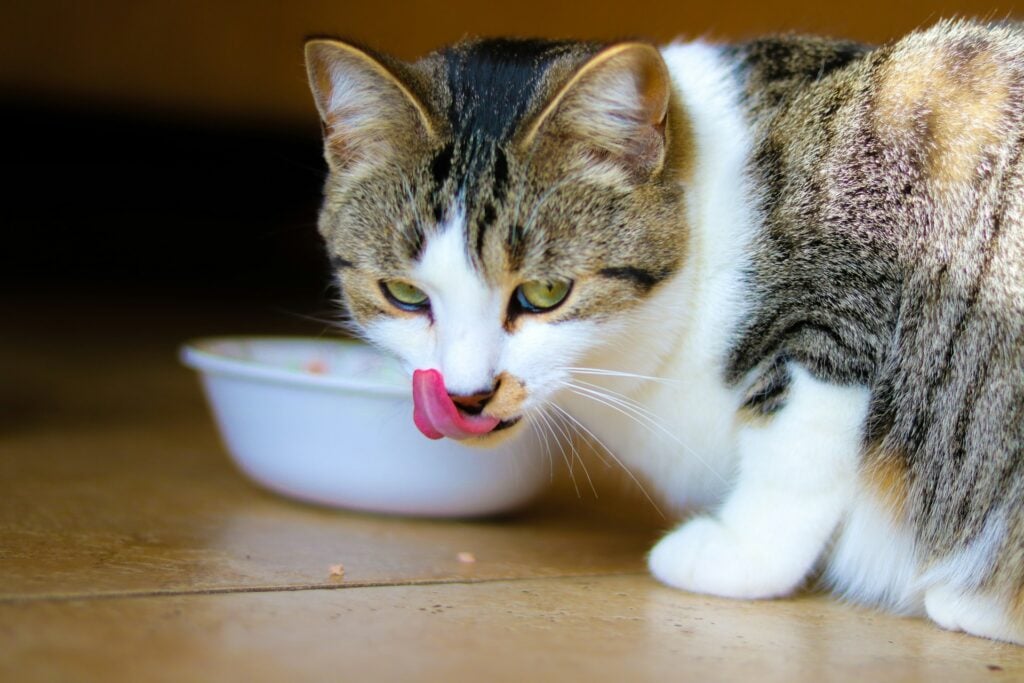
Feeding Fluffy: Nutrition Tips for Adult Cats
Learn how to support your Durham, NC cat’s long-term health with balanced nutrition and smart…

At Bull City Veterinary Hospital in Central Durham, we know each season brings its own joys—and its own challenges—for pets. Whether it’s protecting your pup from the summer sun or helping your feline friend stay cozy in winter, seasonal pet care is a critical part of your dog or cat’s year-round health. Paying attention to seasonal shifts can help you prevent illness, reduce stress, and keep your furry friend happy, comfortable, and safe.
This guide breaks down how to care for pets during seasonal changes, with practical advice and pet safety tips for summer and winter and everything in between.
Spring is a season of renewal, but it also kicks off allergy season and brings a resurgence of parasites.
Summer fun can turn dangerous fast. Heatstroke, sunburn, and dehydration are major risks—especially for short-nosed breeds, seniors, and pets with chronic health conditions.
Autumn brings cooler air, falling leaves—and new risks. Parasites can still be active, and seasonal foods and décor present hazards.
Chilly temps can be hard on your pet’s skin, joints, and immune system. Indoor heating, road salt, and snow all bring their own concerns.
No matter the season, there are a few constants in good pet care:
Don’t forget to update vaccines and parasite protection with the changing seasons. Your veterinary clinic can recommend adjustments to fit the time of year. You can read more about seasonal allergies in pets at the Animal Humane Society website here.
Knowing what to expect in each season can help prevent these common problems:
Watch for changes in appetite, energy, behavior, or bathroom habits—and reach out to our animal hospital if anything seems off.
Early spring, and continue through late fall—or year-round if winters are mild. You may also want to read our prior blog on this here.
Yes. Light-colored pets and those with thin coats are at risk. Ask us which products are safe.
When temps drop below 45°F, monitor closely and limit time outdoors—especially for small breeds or those with thin coats.
Yes. Most pets shed more in spring and fall. Brushing helps control it and keeps coats healthy.
At Bull City Veterinary Hospital in Central Durham, we’re here through every season—helping you adjust your care routine to fit your pet’s needs and the changing environment. From personalized parasite prevention plans to winter joint support, our veterinarians are ready to guide you.
Call today to schedule a seasonal wellness visit and help your pet stay happy, healthy, and safe all year long. Visit our Services page here to learn more about our pet clinic and the pets we treat.
This blog is for informational purposes only. Always consult your veterinarian for personalized seasonal care recommendations.
Learn how to support your Durham, NC cat’s long-term health with balanced nutrition and smart…

At Bull City Veterinary Hospital in Durham NC, we believe age should never be a…

Create a fresh, fur-friendly space with safe products and cleaning practices that protect your pets….
!Social Icons