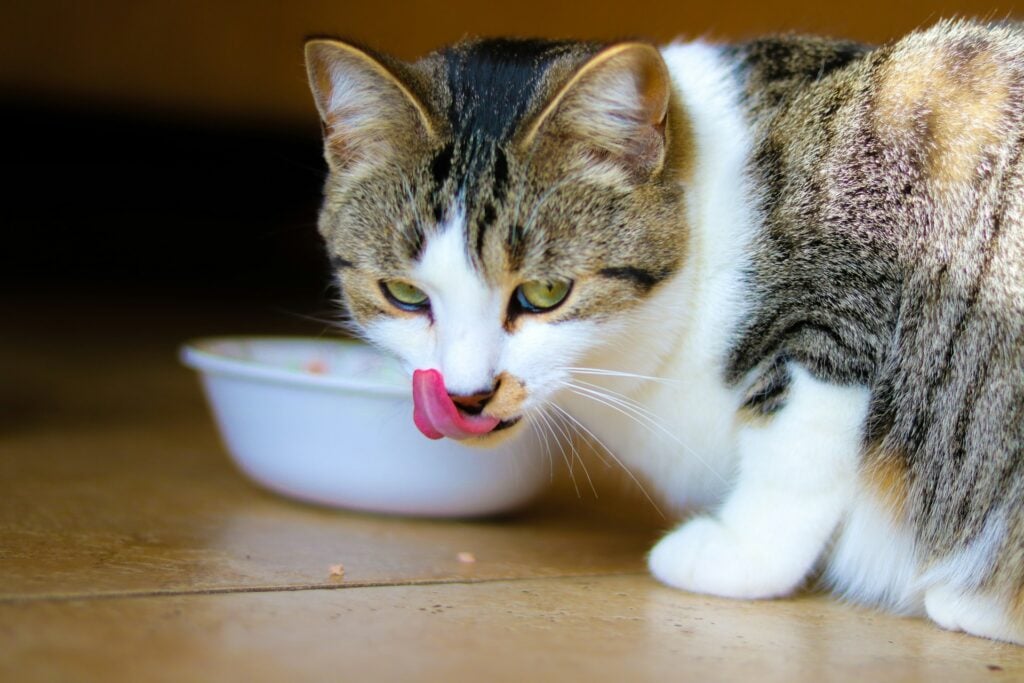
Feeding Fluffy: Nutrition Tips for Adult Cats
Learn how to support your Durham, NC cat’s long-term health with balanced nutrition and smart…

At Bull City Veterinary Hospital in Central Durham, we believe every pet deserves to be happy and healthy. That means strong, mobile, and energized. But these days, more than half of the pets we see are overweight. Pet obesity increases the risk of serious health conditions, shortens life expectancy, and affects daily comfort and mobility. Whether you’ve got a pudgy pooch or a round meowing fluffball, we’re here to help you develop a pet weight management plan that works.
This guide will walk you through how to help an overweight dog or cat shed excess pounds safely, sustainably, and with your support every step of the way.
Excess weight may seem harmless or even “cute,” but it places real stress on your pet’s body. Common health risks include:
Even a few extra pounds can make a big difference for smaller pets. A ten-pound cat that’s just two pounds overweight is comparable to a 150-pound human gaining 30 extra pounds.
You may not notice weight gain if it happens slowly. A vet clinic exam is the best way to confirm, but here are some general signs:
We use Body Condition Scoring (BCS) to evaluate your pet’s ideal weight, typically on a 1–9 scale. Pets in the 4–5 range are considered ideal. The Association For Pet Obesity Prevention has some helpful information on pet body scoring on their site here.
While breed can play a role here, weight gain is usually caused by a combination of factors:
Our job is to help you find out what’s contributing and create a plan that fits your pet’s needs and your lifestyle. Click here to learn more about Fido’s ideal weight on the Spruce Pets website here.
Switch from eyeballing meals to measuring. Use an 8 oz measuring cup—not a scoop—and follow vet-recommended guidelines, not the bag label.
Your vet may recommend that you split daily meals into 2–3 small ones rather than one large bowl. This stabilizes metabolism and prevents overeating.
Replace processed treats with:
Limit treats to 10% or less of daily caloric intake.
We’re happy to do complimentary weight checks at our veterinary clinic to track your pup’s progress and adjust as needed.
Free feeding is the fastest route to pet obesity. Use timed feeders or portioned meals at set times.
Light or “diet” foods often aren’t enough. We recommend prescription weight loss foods that reduce fat without skimping on nutrients.
Use:
Obesity is fairly common in indoor cats, so be sure to keep Fluffy active by offering lots of fun toys and furniture. Read our prior blog on indoor cat care here.
Many pets gain weight by sneaking bites of each other’s food. Feed in separate rooms if needed.
Too much weight loss, too fast, is dangerous in cats—it can cause hepatic lipidosis, a serious liver condition. Always work with your veterinarian to plan safe goals.
At Bull City Veterinary Hospital in Central Durham, we help pet parents create realistic, trackable goals. Your plan may include:
Each pet is different. What works for one may not work for another—and that’s okay. We’ll be here to troubleshoot and adjust.
Nope. While breed can influence body shape, most weight gain is fat—not frame.
Hidden calories add up fast—crumbs, dropped food, table scraps, extra treats. However, medical conditions can cause weight gain, so contact your vet if something seems off.
Even mild obesity increases the chances of developing medical issues such as arthritis and diabetes, and increases surgical risks.
Gradual is safest. Aim for 1–2% of body weight per week for dogs and even slower for cats.
Not necessarily. Treats are great for training and bonding! We can recommend low-calorie treats that fit within your pet’s daily allowance.
Try feeding lower-calorie, high-volume foods. You can also use veggies or enrichment toys to satisfy foraging instincts.
At Bull City Veterinary Hospital in Central Durham, we know weight loss isn’t easy—for pets or people. But we also know how powerful it is. Losing just a few pounds can reduce pain, improve energy, and extend your pet’s life by years. Whether you need help cutting calories, finding the right food, or building a pet weight management plan, our vets are here to help. Visit our Services page for more information on our Central Durham pet clinic and the pets we see.
This blog is for informational purposes only. Always consult your veterinarian before starting a weight loss plan for your pet.
Learn how to support your Durham, NC cat’s long-term health with balanced nutrition and smart…
At Bull City Veterinary Hospital in Durham NC, we believe age should never be a…
Create a fresh, fur-friendly space with safe products and cleaning practices that protect your pets….
!Social Icons