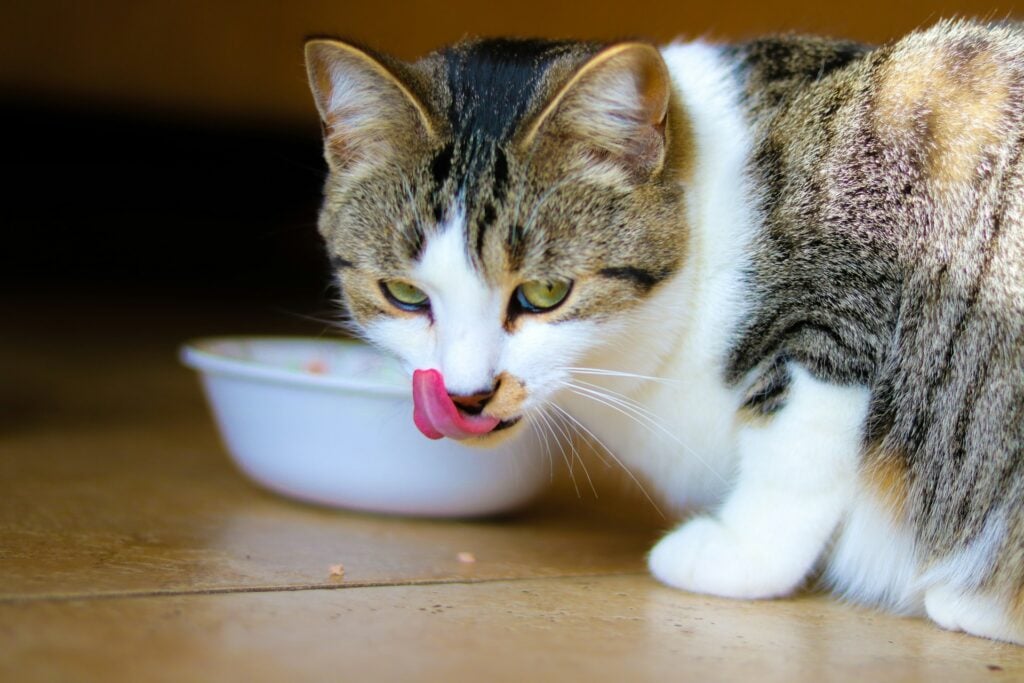
Feeding Fluffy: Nutrition Tips for Adult Cats
Learn how to support your Durham, NC cat’s long-term health with balanced nutrition and smart…

At Bull City Veterinary Hospital in Durham NC, we see it every spring and fall—itchy ears, red paws, nonstop scratching. No, it’s not just a coincidence. Just like people, your canine pal or feline bestie can develop environmental allergies triggered by seasonal changes. If your pet’s symptoms seem to flare up during certain times of year, pet seasonal allergies could be the culprit.
In this guide, we’ll help you recognize the signs of allergies in dogs and cats, explain what causes them, and walk you through safe, effective allergy treatments for pets that can bring comfort and relief.
Seasonal allergies happen when your pet’s immune system overreacts to airborne particles like pollen, mold, dust mites, and grass. These allergens can be inhaled or absorbed through the skin, causing inflammation and discomfort.
Unlike humans who typically sneeze and get watery eyes, pets tend to express allergies through skin irritation, ear infections, and excessive licking or scratching.
Every pet is different, but here are some of the most common symptoms to watch for during allergy season:
These signs of allergies in dogs and cats often mimic other skin or parasitic conditions, so a proper diagnosis is essential. If your four-legged buddy is constantly scratching or licking himself raw, it’s time to visit the vet clinic. You can read more about seasonal allergies in pets on the Animal Humane Society website here. Purdue College of Veterinary Medicine also has some helpful information about pet allergies on their website here.
Some pets react during one season only, while others show symptoms most of the year with periodic flare-ups.
At Bull City Veterinary Hospital in Durham NC, we take a thorough approach to diagnosis. That includes:
Identifying the specific allergens helps guide treatment, especially for long-term care.
Once we confirm that your pet is suffering from seasonal allergies, we’ll build a customized plan based on severity, triggers, and lifestyle. The treatment may include medication, special baths, adjusting your pet’s diet, or taking other measures.
Environmental Control
These allergy care tips for pets won’t cure allergies, but they can reduce exposure and ease symptoms.
For more information on seasonal pet care, read our prior blog post here.
Yes—though they’re less common, our feline friends can suffer from itchy skin, ear infections, or watery eyes due to pollen or mold.
There’s no “cure,” but symptoms can be managed with treatment, lifestyle changes, and ongoing vet care.
It could be. Paw licking is a classic sign of environmental allergies, especially if it happens after outdoor walks or during specific seasons.
At Bull City Veterinary Hospital in Durham NC, we believe no pet should suffer through allergy season in silence. From identifying the signs of allergies in dogs and cats to offering the most up-to-date allergy treatments for pets, our compassionate team is here to help. If your furry friend is itching, licking, or just not feeling like herself, don’t wait.
Visit our Services page here for more info on our veterinary clinic and the services we provide.
Schedule your pet’s allergy consult today and help her breathe easier—season after season.
This blog is intended for informational purposes only. Always consult your veterinarian for personalized advice and treatment plans.
Learn how to support your Durham, NC cat’s long-term health with balanced nutrition and smart…

At Bull City Veterinary Hospital in Durham NC, we believe age should never be a…

Create a fresh, fur-friendly space with safe products and cleaning practices that protect your pets….
!Social Icons