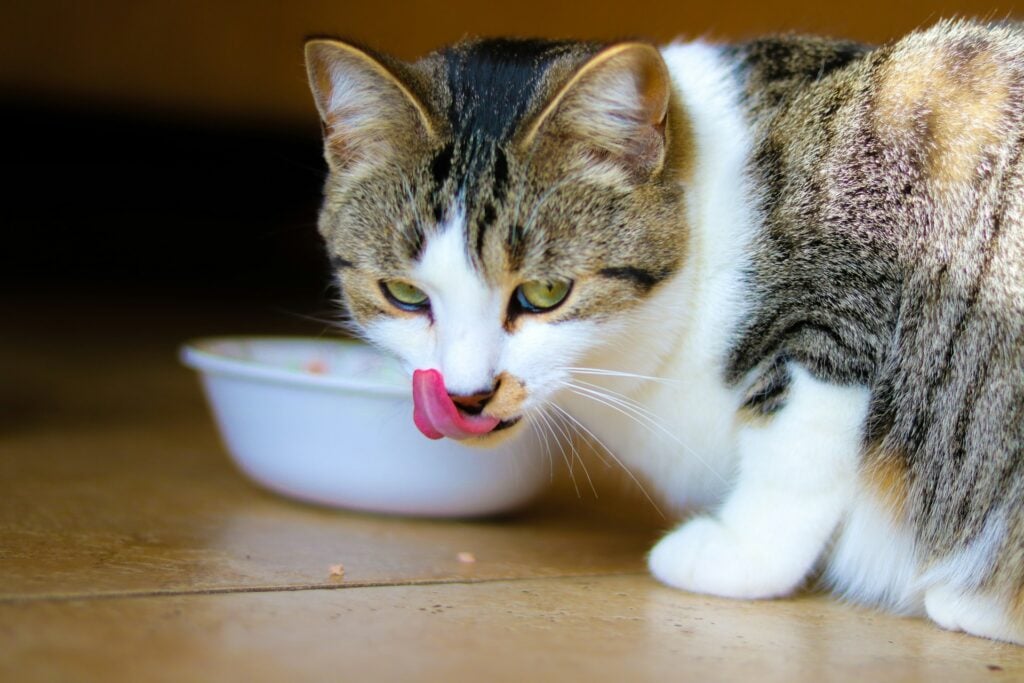
Feeding Fluffy: Nutrition Tips for Adult Cats
Learn how to support your Durham, NC cat’s long-term health with balanced nutrition and smart…

At Bull City Veterinary Hospital in Central Durham, we know that caring for an adult cat goes beyond food and litter. From routine wellness to managing early signs of aging, our experienced veterinarians provide trusted, compassionate care tailored to your feline friend. Whether you adopted a young adult or inherited a middle-aged kitty, our vet clinic is here to be your go-to pet clinic for all things feline.
Cats are considered adults from about 1 to 8 years old. Fluffy is a senior at 9. While they’re no longer kittens, they still need regular care and attention to stay in peak health. Many cats appear independent and low-maintenance, but behind those curious eyes is a body that needs monitoring, enrichment, and love.
Fun Fact: The average indoor cat can live 13–17 years or more with proper care. That’s over 80 human years in feline terms!
Your adult cat’s diet should support a healthy weight, good digestion, and a shiny coat. Here’s what to keep in mind:
Cats are notorious for being picky, but it’s important to resist the urge to swap foods frequently unless there’s a medical reason. Sudden changes can upset digestion. Learn more about feeding Fluffy at the Cornell University College of Veterinary Medicine website here.
Even well-trained adult cats can experience litter box issues. Cleanliness and location are key:
If your cat begins urinating outside the box, it could be a behavioral issue—or a medical one. Let us know right away so we can help rule out infections, arthritis, or stress.
Even adult cats need daily play and stimulation. Boredom can lead to weight gain and destructive behavior. Try the following:
Pro Tip: Rotate toys every few days to keep things exciting.
Most cats groom themselves, but they still need help:
Grooming also helps build trust and gives you a chance to spot lumps, bumps, or other changes early. You may also want to read our blog on cat care here.
Many adult cat illnesses are subtle and easy to miss until they’re advanced. Be aware of these conditions:
Routine checkups help us catch these problems early. Many are manageable with diet, medication, or lifestyle changes.
Adult cats should see the vet at least once a year for a full wellness exam, even if they appear healthy. These visits allow us to:
If your cat has a chronic condition, more frequent visits may be recommended. Annual exams are also a great time to ask about behavioral changes, nutrition, and senior care planning. You can find more cat care tips at the ASPCA website here.
Ideally, daily. If that’s not feasible, a few times a week plus annual professional cleanings can make a big difference.
Yes. Indoor cats can still be exposed to diseases via humans, other animals, or escape attempts. Rabies and FVRCP are core vaccines.
Yes! Cats sleep 12–16 hours a day on average. As long as your cat is eating, using the litter box, and showing interest in play, it’s nothing to worry about.
We recommend vet-approved topical or oral medications based on your cat’s lifestyle and health history. Ask us what’s best for your furry friend.
At Bull City Veterinary Hospital in Central Durham, we treat adult cats like the royalty they are. Whether it’s managing common health issues in adult cats or guiding you through enrichment and nutrition, our veterinarians are here for you. Every feline friend deserves attentive, knowledgeable care—and every pet parent deserves a vet clinic they can trust. You may also want to consider putting Fluffy on a care plan. Visit our Care Plans page here to learn more about the options.
Book your adult cat’s next wellness exam with us today and give her the gold-standard care she deserves.
This blog is for informational purposes only. Please consult your veterinarian for specific guidance on your cat’s health and care needs.
Learn how to support your Durham, NC cat’s long-term health with balanced nutrition and smart…

At Bull City Veterinary Hospital in Durham NC, we believe age should never be a…

Create a fresh, fur-friendly space with safe products and cleaning practices that protect your pets….
!Social Icons