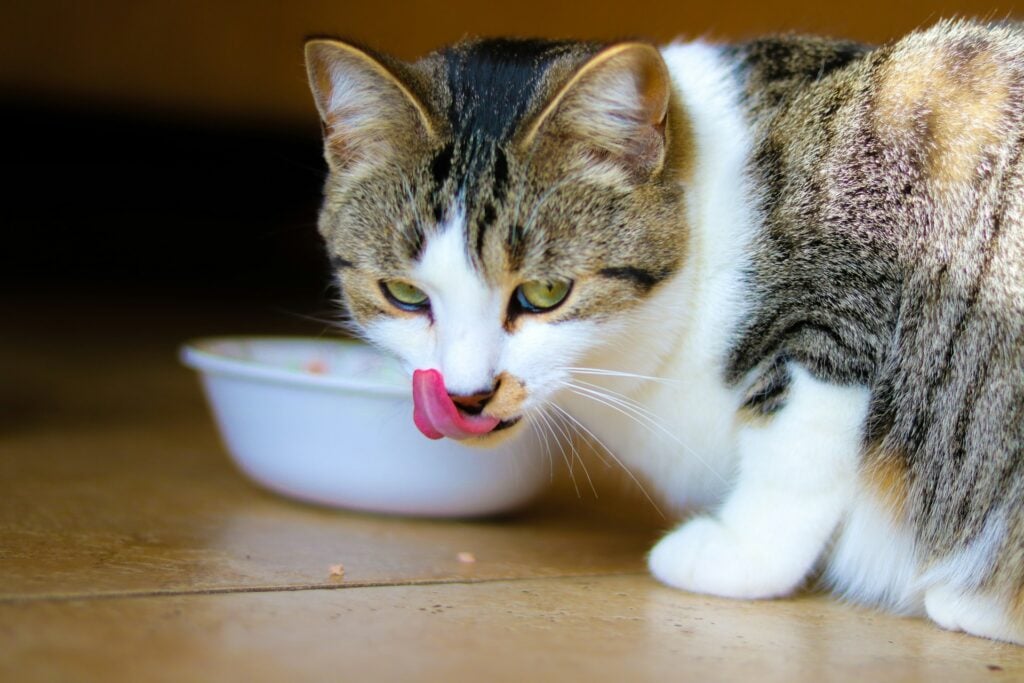
Feeding Fluffy: Nutrition Tips for Adult Cats
Learn how to support your Durham, NC cat’s long-term health with balanced nutrition and smart…

At Bull City Veterinary Hospital in Durham NC, we know that indoor cats are often safer from outdoor dangers—but they’re not immune to health concerns. From obesity and arthritis to boredom and behavior problems, indoor life comes with its own risks. The good news? With a few proactive changes, you can dramatically improve your indoor cat’s health and happiness.
In this blog from a local veterinarian, we’ll walk you through the most common health risks for indoor cats, plus simple, effective strategies for enrichment for indoor cats that promote a longer, more joyful life.
Keeping cats indoors protects them from cars, predators, parasites, and infectious diseases—but that doesn’t mean they don’t need regular veterinary care and daily mental and physical stimulation.
Common risks for indoor cats include:
These issues can develop silently over time, especially when there are no outdoor adventures to burn energy or reduce stress. The solution lies in balanced routines and regular veterinary clinic visits.
Even if your cat doesn’t go outside, they still need:
We adjust care plans based on age, lifestyle, and medical history to ensure your feline friend stays at their best.
Enrichment means providing activities and experiences that engage your cat’s natural instincts:
Without these outlets, your cat may become bored, anxious, or even physically ill. Regular stimulation boosts physical fitness and mental well-being—and helps prevent unwanted behaviors like clawing furniture or excessive vocalizing.
Here are some easy, effective ways to promote physical and mental engagement every day.
Cats get bored with the same toys left out all the time. Rotate options weekly to keep things fresh. Include:
Cats feel secure when they can perch and observe. Use:
Bonus: window views provide natural stimulation.
Ditch the standard bowl and try:
This mimics natural hunting behavior and adds exercise to daily routines.
Set aside 10–15 minutes twice a day for active play. Use teaser toys, laser pointers, or tossing treats to encourage movement. This is especially important for older cats who may need more motivation to get moving. This is also a great way to bond with Fluffy! Learn more about making friends with kitties at the PetMD website here.
Offer multiple scratching surfaces in different textures (cardboard, sisal, carpet) and orientations (vertical and horizontal). This supports joint health, claw health, and emotional expression.
You’ll find some great ideas about keeping an indoor cat enriched at the Animal Humane Society website here.
Indoor cats are prone to weight gain. This can be due to several reasons, including age, genetics, and personality/energy levels. Other risk factors include:
To combat this:
Even a pound of excess weight can strain joints and organs. Small adjustments make a big difference.
Understanding the most common issues helps you stay one step ahead.
Even without catching prey, indoor cats build up plaque and tartar. Regular cleanings and dental diets help prevent painful infections and tooth loss.
Stress, diet, and dehydration can all lead to UTIs or bladder stones. Symptoms include straining in the litter box, urinating outside the box, or vocalizing during urination.
Yes, cats get arthritis—especially as they age. You may notice reduced jumping, stiffness, or irritability.
Boredom, stress, or lack of stimulation can cause:
Enrichment and routine vet support can often reverse these issues.
Diabetes, heart disease, and joint pain often follow weight gain. Prevention is key. Read more about pet obesity at our blog here.
Try:
Bored cats can become depressed—keep her brain working with simple daily stimulation.
Yes. Rabies is legally required in most areas. Other core vaccines protect against airborne viruses and potential exposures (visitors, other pets, travel).
Only with supervision. Consider a catio, stroller, or harness training to explore safely.
Cats do nap a lot, but they should also play, climb, and interact daily. Lack of activity could signal boredom—or health issues.
At Bull City Veterinary Hospital in Durham NC, we love helping indoor cats live their best lives. From tailored nutrition plans to creative enrichment for indoor cats, we partner with you to keep your feline companion healthy, curious, and thriving. Visit our Services page here for more information on our pet hospital and the pets we see,
Schedule your cat’s next wellness visit today and give her the active, happy life she deserves—right at home.
This blog is for informational purposes only. Always consult your veterinarian for medical and behavioral guidance.
Learn how to support your Durham, NC cat’s long-term health with balanced nutrition and smart…

At Bull City Veterinary Hospital in Durham NC, we believe age should never be a…
Create a fresh, fur-friendly space with safe products and cleaning practices that protect your pets….
!Social Icons